
The benefits of low flow shower heads, saving money on water use and hot to choose the right shower head for you
Taking a shower is amongst one the most satisfying things you can do at home. It’s relaxing to take a shower after coming home from work to remove dirt and grime from your body and relax tired muscles. And let’s not even get started talking about the showers we need in summer!
In other words, showers are an integral part of your home and hygiene routine. The only problem to consider is the the sheer amount of water you can consume with all those yummy showers!
The average shower in Australia can use up to 64.2 litres of water per session. Not only is this wasteful, but it’s also bad for the environment. With all the effects of climate change destroying Australia, we need a solution.
Enter the low flow shower heads – they’re an ideal water-conserving utility that offers a dramatic drop in your water consumption, which of course is great for the environment and your utility bill to boot.
So, how does it work? When is it time to switch? Let’s take a deep dive on everything low flow shower heads and see if it’s right for you.
Saving Water from Your Showers
When it comes to showers, the trick to saving water is to waste less. Doing so requires you to have a lower kPa shower that offers the same benefits as a basic showerhead. It’s fair to ask yourself, why is that important?
A tried and true measure of shower efficiency is the flow rate. Every shower unit measures in litres per minute of consumption. As for the pressure, Newcastle licensed plumbers use kilopascal (kPa).
For example, the standard water pressure in Australia is up to 500 kPa. The rating for many standard shower units is 250 kPa, which complies with AS3662.
Australian showerheads will then use up to 20 litres per minute. If you take a 15-minute bath, that translates to around 300 litres per session. In a year, if you take a bath once a day, you would consume 109,500 litres of water.
This calculation doesn’t take into account other members of your family and how often you shower. In between, you’re likely to waste more. Solving this problem is a crucial step to saving you money and using fewer resources from the environment.
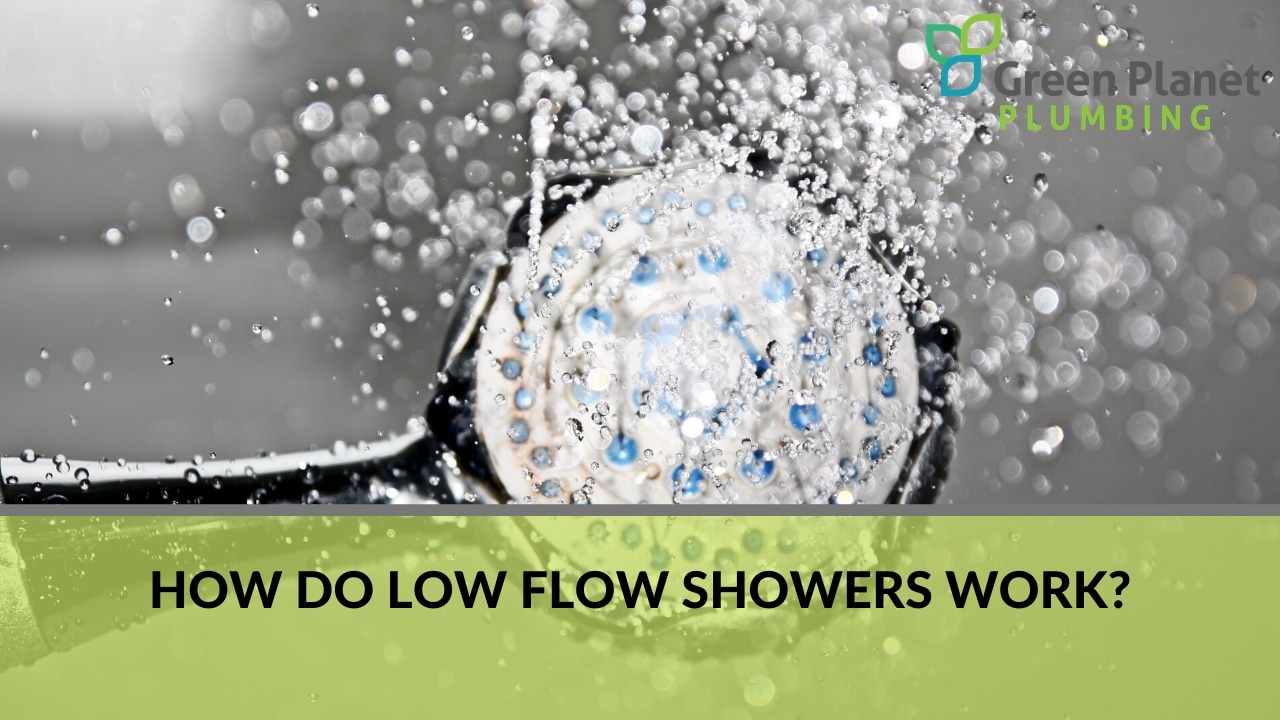
How Do Low Flow Showers Work?
Low flow showers are units that have a special mechanism in them. These designs restrict the flow of water while keeping or improving the quality of the shower as is. By switching to low-flow, not only do you save more on water, but you’re also cutting down on your carbon footprint.
How does it work?
There are at least two types of low-flow showers that offer different experiences. They are the aerating showerheads and standard laminar showerheads. Both options offer two different ways of saving water.
Many shower designs use different low flow methods to improve the experience. Some do standard methods like restricting water flow, and some add other special methods. These shower types include:
- Laminar flow shower
- Aerated low flow
- Low flow with pause mode
- Power massage
Every shower type has a separate advantage and covers a different showering preference – ask the plumbers at Green Planet Plumbing to help you decde which one will work best for you!
Choosing the Right Shower Head
The standard laminar shower uses a flow restrictor that controls the rate that water comes out. If you have strong water pressure, you can control it to reduce the water you use. If you have weaker pressure, you can open it up to let the water flow.
Aerating low flow showers have different mechanisms that provide oxygen. This method creates bubbles in the shower, making the lower flow feel more substantial.
Low flow shower heads with a pause mode are great for saving water when you stop to soap up. With the pause mode, the shower goes down to a trickle. This cuts down on water usage, which you can turn on again without having to wait for your water to heat up.
Power massage showerheads direct the water to focus through fewer, tighter nozzles and bigger slots. This allows for higher pressure on a focused point, which is excellent for spot cleaning. But which one should you choose?
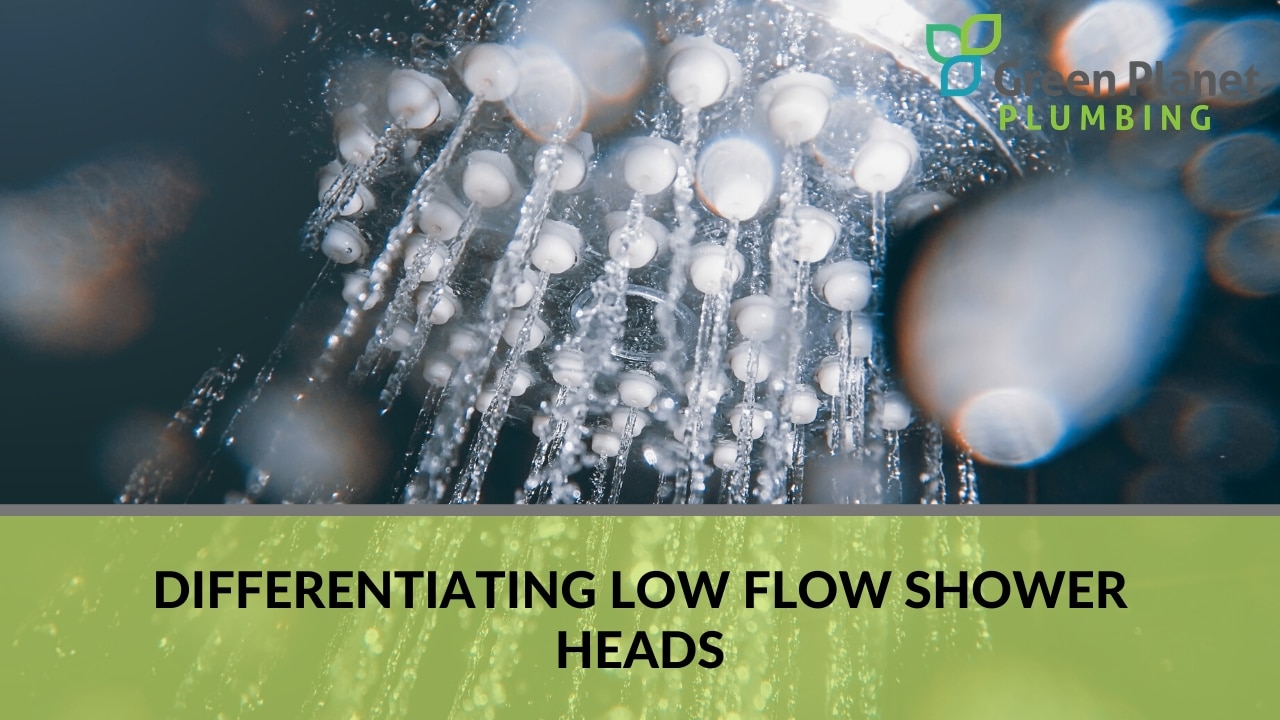
Differentiating Low Flow Shower Heads
Aerating heads use their oxygenation to increase water density on the skin. It feels misty and allows high pressure to clean off your body. This is best for people who have consistent pressure on their pipes.
Laminar showers separate water through smaller streams, making it great for hot, humid locales. Laminar heads produce less steam and moisture, which makes it a great pick if you like hot showers.
Showerheads with a pause mode are great for people who don’t have constant heated water flow. This cuts out the need to reactivate your heater and wait for it to heat up again. Pause mode is useful if you have tasks that take a longer time in the shower like washing your hair, soaping up and scrubbing thoroughly or shaving your legs in the shower.
The power massage showerhead is useful for cleaning tight spots. It can also be extremely therapeutic if you have specific aches and pains in your body.
A quality low flow shower head will feel great at both low and high pressures. Their designs allow them to cut down up to 10 litres per minute at 500 kPa. You can even find showerheads that provide lower LpM at around 6 litres per minute.
Types of Shower Head Body
Other than the style of the shower flow, there are also three types of low flow showers according to their movement. These offer different advantages to different users and can be a great pick. They are:
- Standard low flow
- Stationary low flow
- Handheld
Handheld units are some of the more interesting shower head types. They tend to use flexible hoses that allow for better movement. This helps people who want to focus on certain parts of the body or have mobility issues to clean themselves more effectively.
Handhelds also have clips that allow for a better hands-free experience, like a standard shower. This clip can be anything from a wall-mounted hanger to a metal bar. This design allows screwing straight into the shower arm and straight into a flow diverter.
Handheld models can be more expensive because of the flexibility they give. The sheer accessibility they offer is great for people who have disabilities or a hard time showering. They also offer more savings over time as you can still get great cleaning results with this shower head despite a lower water flow.
Benefits of a Low Flow Shower Head
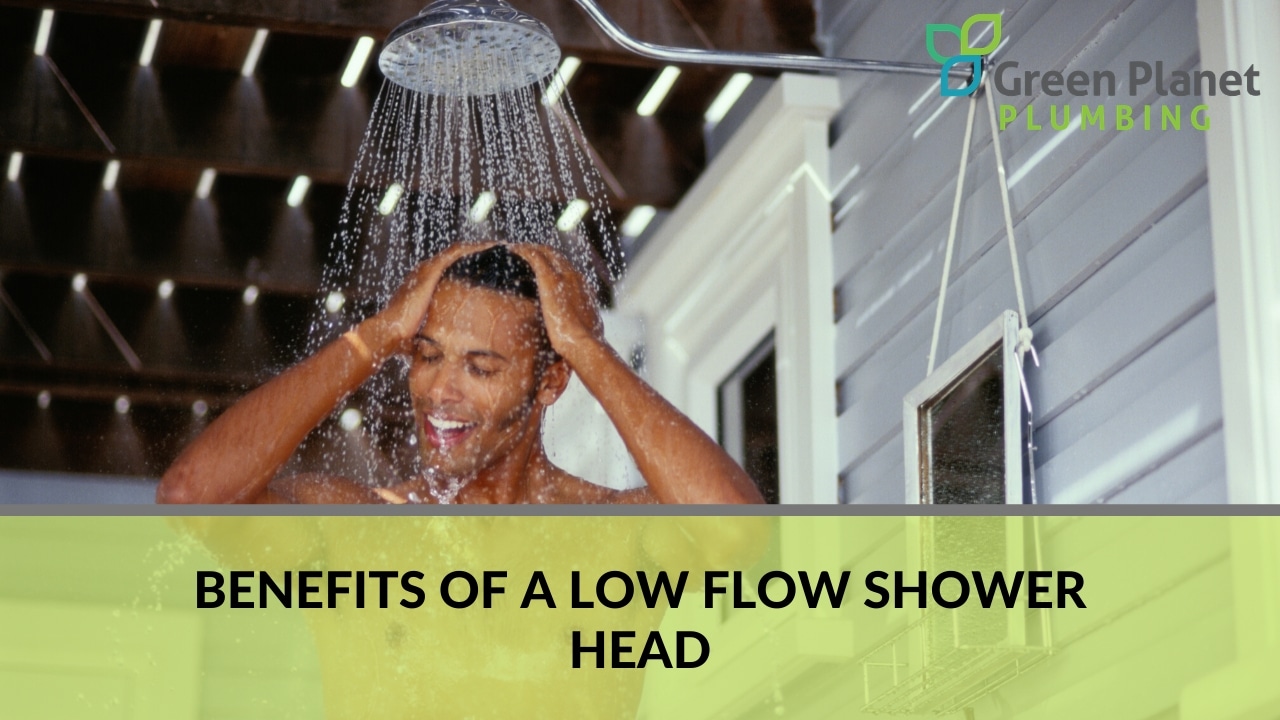
So, what are the benefits of buying a low flow shower head? One of the most obvious benefits of low flow showers is reducing your water consumption. You can cut down as much half of your actual consumption as you reduce your flow rates.
You’re accomplishing the same task with lower flow rates, so you conserve water. This will cut down on your annual expenses and create significant savings. You can also reduce the carbon footprint by cutting down on energy usage.
Regardless of your opinion on climate change, it can save you a good chunk of money. As you cut down your demand for hot water, you cut down your electrical or gas use for the water heating. This move will save you more money in the long run.
Low flow showers are also easy to install. An expert plumber can do the job in a matter of minutes. You would still need qualified advice to choose the best installation, but it’ll be a breeze once that decision is made!
How to Pick the Right Low Flow Shower Head
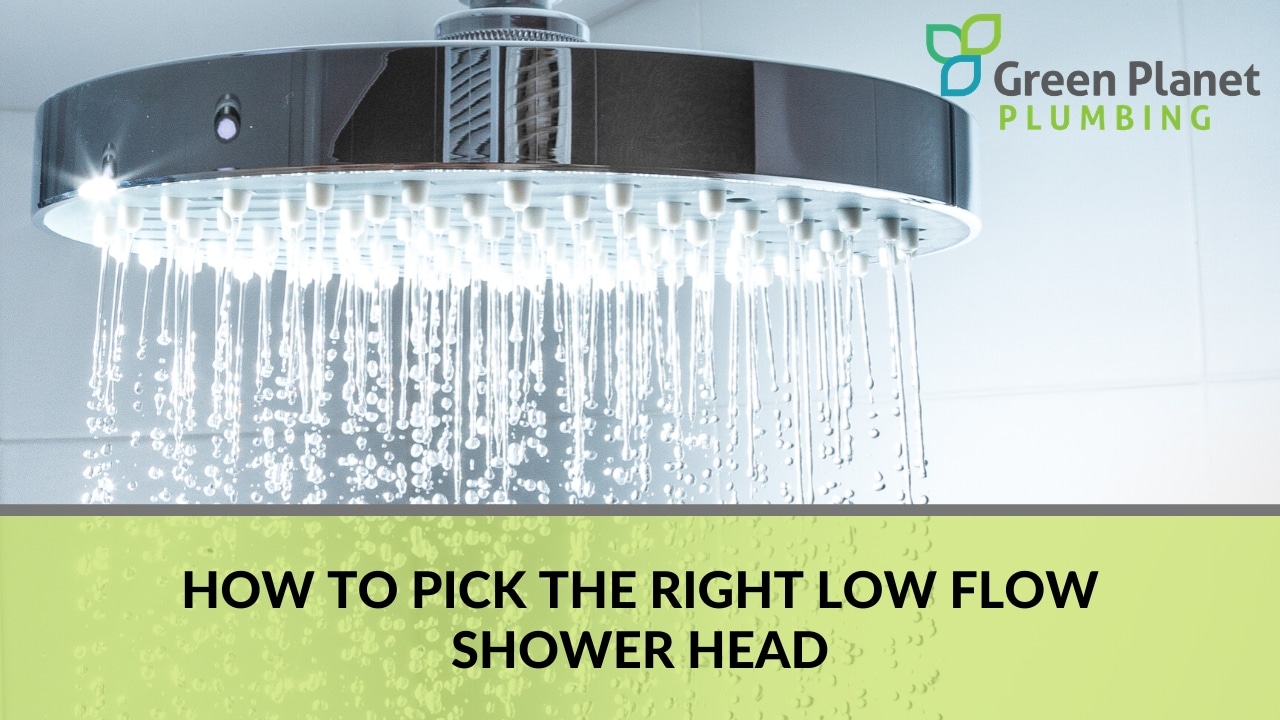
If you plan on buying a low flow shower head, there are a few considerations you need make. Following these details can give you a good idea of what kind of shower head you need. Not all low flow showers have the same construction, so fitting with your needs is vital.
You need to take into account what kind of materials you want for your shower. You can stay with a lower cost showerhead, usually made of plastic material. Buying such a unit will only cost you a few dollars, but the longevity of the shower head can be questionable.
It’s best to buy either an aluminium or a composite material showerhead. This can last you for quite a long time, which pays for itself in the long run.
When picking your water saving shower head, you want to also confirm what the flow rate in the package is. It should show the flow volume, measured in litres per minute, and pressure output, measured in kilopascals (kPa).
You want to also take into consideration the type of shower head you want to install in terms of performance. Having the right features can make the entire showering an enjoyable experience. Not only do you want to conserve water, but you also want to keep the entire process something you can look forward to.
Choosing the Best Shower Valve
While you would think that low flow showers are all about the heads, it’s also about the valves. Finding the right valves to use for your shower is a smart choice. It will help when you’re regulating pressure and temperature, which is vital in low flow showers.
It’s a great idea to have a basic understanding of the intricacies of shower valves because this will then help you pick the proper faucet that will take care of your needs.
There are four valves that are the best choices to consider. These are:
- Mixing valves
- Thermostatic valves
- Pressure balance valves
- Anti-scald valves
The mixing valve is the one that takes care of mixing hot and cold water. It will take care of the water combination that gives you the best temperature for your shower. You want to invest in a strong mixing valve with a good way to make accurate adjustments in your water.
Thermostatic shower valves provide a sophisticated method of pressure balancing. It maintains a consistent temperature and pressure for your shower. Even if you use hot water, you can expect to have a consistent stream with your low flow shower head.
Pressure balance valves take care of maintaining a consistent balance between your hot and cold water. It has a specialised diaphragm that handles changes in water pressure, balancing cold and hot water output. This valve keeps your water at a constant temperature, even if you lose pressure on your cold water.
Pressure balance valves are also called anti-scald valves. Not all pressure balance valves are anti-scald, however. Anti-scald valves are useful if you have a new home with new piping construction.
An anti-scald unit can only do so much if your pipes have leaks, clogs, and corrosion. If you plan on installing it for your older home, it’s best to talk to a certified plumber for advice.
Picking the Right Features
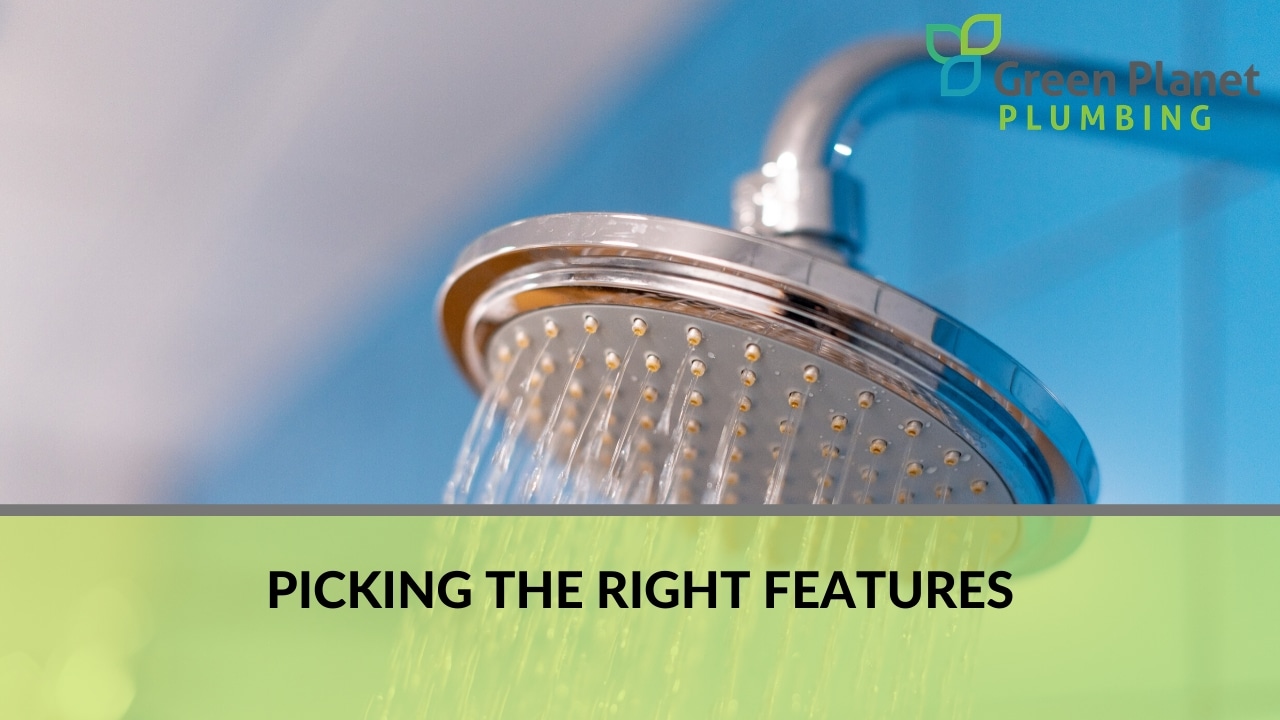
When you buy a low flow shower head, other considerations you want to make are some of the bells and whistles. The typical shower needs only a showerhead, a valve, and perhaps a tub spout. More high-tech showers, however, have more luxurious features.
For starters, some showers use digital control pads that allow for a different experience. All you need to do is to press a button, pick a setting, and you will be good to go. Program everything in your shower from the right intensity, temperature, ambient lighting, to even the shower setting!
For digital systems, you would need a professional who can do all the plumbing and electricals for you.
Some low flow shower systems can also have a timer that limits the length of the entire session. This allows for more savings while being more conscientious of your water consumption. You can also have a push-button program that creates a schedule of when to heat your water to save energy.
The peripheral considerations include steam shower installations, which are great if you have aerating showerheads. These retrofit into your bathroom to seal in the steam. This feature offers something akin to a steam sauna for the shower.
If you’re the type who likes to linger in your bathroom, adding steam shower installations are useful. They can help you keep your body clean, feel relaxed, and even enjoy some time inside. All this you can do without having to heat yourself with running water.
Switch to a Low Flow Shower Head Today.
Switching to a water saving shower head can be a challenge. You would need to hire a licensed plumber not only to install but give you advice on your options based on your needs. You want something that fits your requirements without costing you too much.
Is it time to switch to a water saving shower? If you have sufficient pressure, switching to a low flow shower head can save you a lot of water and money. You can conserve water while also creating a way to cut down on your water bills.
Not sure if your home has the right plumbing system in place to handle a low flow shower head? Then it’s best to talk to a professional Newcastle plumber who knows their stuff. They will give you good advice on what you can do and the best choices for your situation.
An expert plumbing team like those at Green Planet Plumbing can help you find the options you want that can help give you the best shower experience. Call our friendly and experienced team today to book an appointment and get some great advice!