
Water heaters are important household conveniences. As the technology moves towards more power-efficient appliances, there is a debate on whether traditional water heaters or tankless water heaters lead to more conservation of power and savings. Before we delve into that, let us first understand how both the technologies work.
Traditional Water Heaters
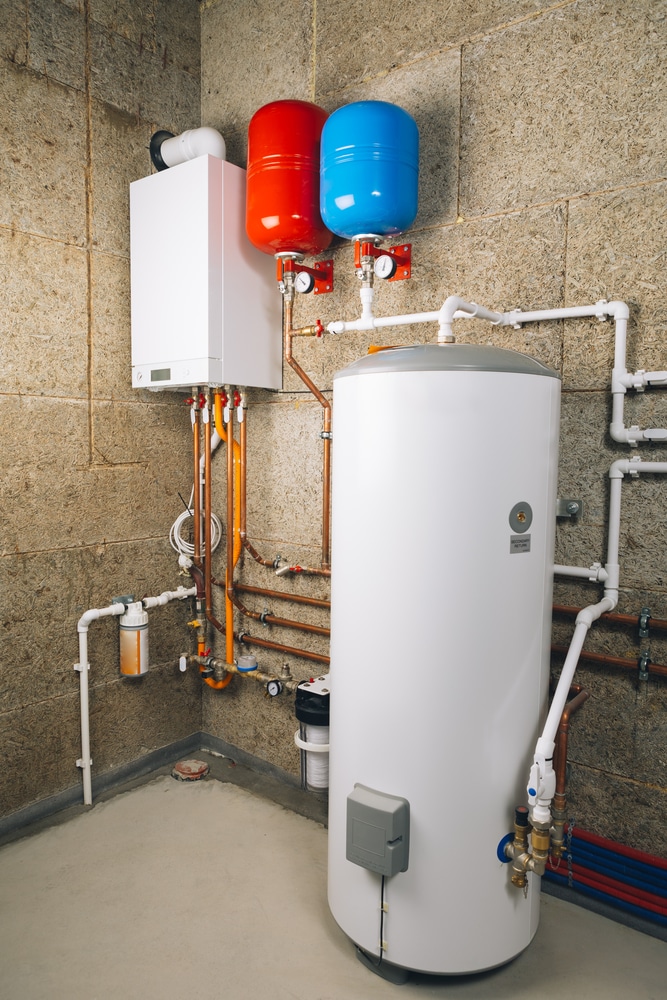
A traditional water heater stores up to 300 litres of water in an insulated tank ready to be used when required. It heats the water and when you turn on the tap, it releases hot water from its upper compartment into the lower one where cold water is mixed with it and heated to the desired temperature set by you. It retains the temperature of that water till the time more water is released for consumption.
Traditional water heaters suffer from what is called “energy waste from standby loss”. As these heaters are constantly maintaining hot water in their tanks, energy is used to keep the water hot at all times (referred to as standby loss). Also, once you’ve used all the water from the tank, you must wait for some time before the hot water is available again.
Tankless Water Heaters
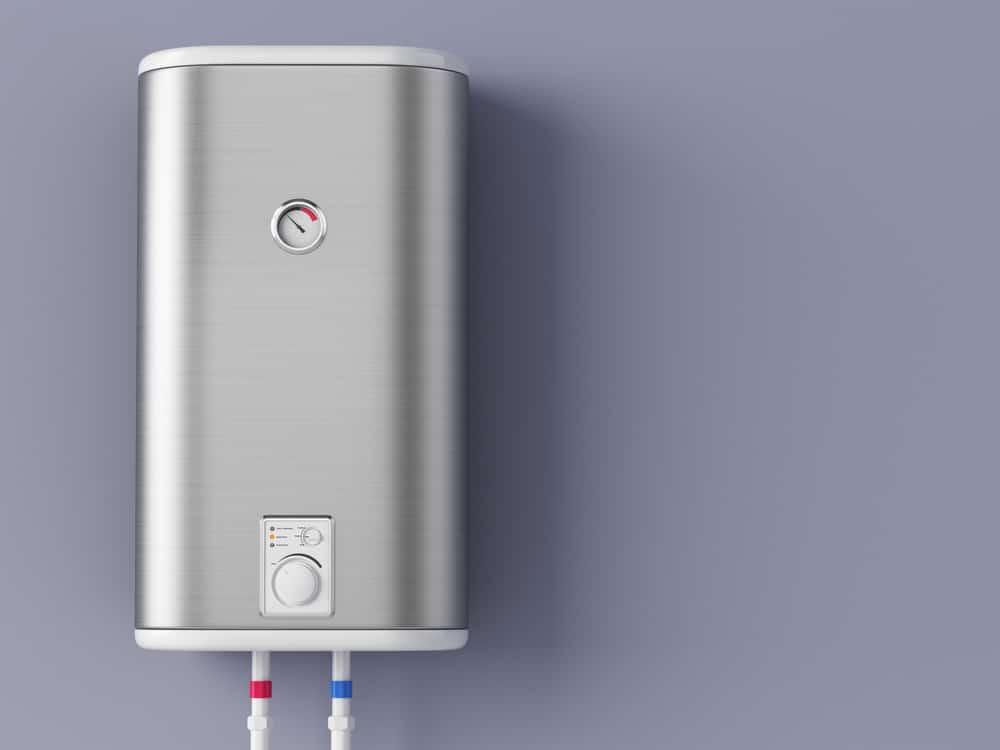
As is obvious from the name, this water heater does not have a storage tank. As it doesn’t store water, it uses the power to directly heat the water that is drawn into it when the hot water tap is opened and brings it to the required temperature. This process of heating the water takes place only when the hot water tap is opened unlike a traditional water heater where the stored water is still being heated even when the tap has been turned off.
This unarguably makes it more efficient than a traditional water heater when it comes to energy conservation.
How Much Power Can a Tankless Water Heater Help Save
There is little doubt that tankless heaters lead to more power savings. For households that utilise about 150 litres of hot water each day, the savings can range from 20%-30% when compared to the use of traditional water heaters. If the consumption is higher, then there is even more saving of up to 15%. In some homes, if there is a dedicated tankless water heater for dish washing or laundry, the saving in units of power consumed rise to 50% as compared to the traditional water heaters.
Which is More Durable; Traditional or Tankless Water Heater
Traditional water heaters are an old technology with little innovation. They also have parts that are either difficult to find and replace. So while the traditional heaters have a life expectancy of 10-12 years (slightly more with proper care and upkeep), they are more difficult to maintain over a longer period of time.
Tankless water heaters on the other hand perform, on an average, for 20 years. They are technologically more sound, have newer/better parts and need low maintenance. This leads to a hassle-free ownership experience apart from the obvious benefit of low operating costs.
How To Use A Water Heater For Maximum Savings
Regardless of whether you use a traditional or tankless water heater, you can easily save energy (and some cash on your power bill) by simply turning down the temperature setting for your water heater.
Water heaters are among the most hard-working electrical appliances in your home. Most of us set the temperature for them at 120 degrees. Turning it down by just 10 degrees can lead to about 5% power savings.
When you set out to buy a water heater, try to answer the following questions. This will help you narrow down your choices.
- What is the daily water requirement/consumption for my household?
- What features do I need in my water heater?
- What are the long-term maintenance costs of owning either of the water heating systems?
- What is the warranty and service being offered on the available models?
Cutting down on unnecessary power costs is the order of the day. It is no more a matter of choice but a compulsion as the world moves towards environment conservation and greener avenues of power.
Green Planet Plumbing can help you take the right decision. Give us a call and we’ll help you with your queries and an estimate for your water heater installation.